

Car Prices in the UAE: Chinese Brands Compared
Car Prices in the UAE: Chinese Brands Compared
Comparing car prices across Chinese brands in the UAE is harder than it should be, because the number on the window rarely covers the same things twice. One brand quotes a base trim that few people buy. Another quotes a mid trim with a campaign discount already applied. A third quotes a price that includes registration and a fourth does not.
This piece sets out what the figures mean, where the brands sit against each other, and which costs sit outside the sticker.
The Price Bands
Chinese vehicles in this market span a wide range, and it helps to think in bands rather than individual figures.
Under AED 100,000. Compact crossovers and small SUVs. Competent, well equipped for the money, and the fastest improving part of the market over the last two years.
AED 100,000 to AED 180,000. The mainstream. Mid size and family SUVs, most hybrids and plug in hybrids, and the range extended models. This is where the majority of the volume sits.
AED 180,000 and above. Full size, three row, and premium sub brands. Specification here is genuinely comparable with European rivals costing considerably more.
These are approximate bands from current public listings, and they move with trim, campaign and stock, so treat them as orientation rather than quotes.
Where the Models Sit
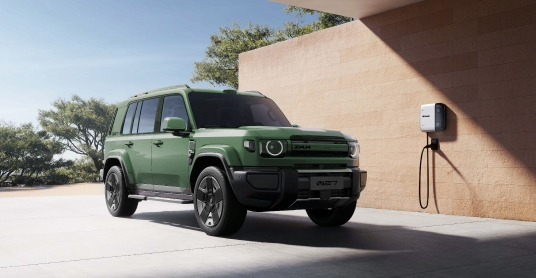
The V27 has the clearest published trim ladder in the group. Classic starts at AED 139,999, Premium at AED 159,999, and Flagship at AED 169,999. The 03T sits at AED 134,999 in its single trim.
That AED 30,000 spread from entry to flagship is unusually narrow. In much of the market the walk from base to top trim is closer to half the base price again, which is worth knowing when you compare a headline starting figure against a car you would realistically specify.
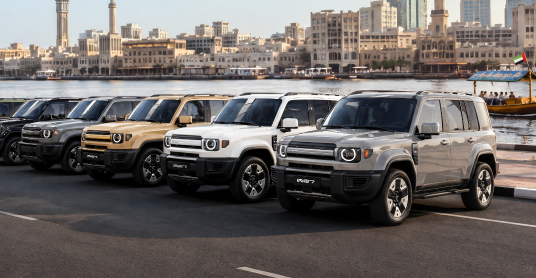
On the comparison set, the BYD car price range is the widest of any single brand here, spanning compact through full size and covering both fully electric and plug in hybrid drivetrains. The BYD Ti7 price in UAE listings positions it as the sharper looking, more generously sized option alongside the established Song Plus. The Jetour T2 sits in the mainstream band on the petrol side. The JAECOO J8 SHS covers the hybrid case for high weekly mileage. The Denza B5 sits above the mainstream band, priced around its off road hardware.
What the Number Does Not Include
A sticker price is the start of the calculation, not the end of it.
• Registration and insurance. Comprehensive cover on a newer vehicle is a meaningful annual figure and varies more between insurers than buyers expect.
• Salik. Unavoidable on most Dubai commutes and easy to leave out of a budget.
• Servicing. Ask for the cost of the first three services rather than the interval alone. Some brands bundle them and some do not.
• Fuel or electricity. Over five years this is often larger than the difference between two cars’ purchase prices.
• Resale. The figure you get back at the end is part of what the car cost you, and it is the least predictable line on this list.
Running Cost Changes the Comparison
Two cars at the same price are not the same purchase if one costs half as much to run.
A range extended electric vehicle drives on electric power at all times. The petrol engine works purely as a generator, recharging the battery on the move rather than turning the wheels. For a driver with home charging, most daily distance runs on electricity at DEWA rates, with petrol used only on longer journeys.
The V27 offers up to 200 km of pure electric range and a combined range of up to 995 km. The 03T offers 171 km of electric range and an 801 km combined range, with DC fast charging from 30 to 80 percent in around 20 minutes.
Work out your own weekly distance, split it into the portion that would run on battery and the portion that would not, and the five year picture looks different from the showroom comparison.
Why Two Quotes for the Same Car Differ
Buyers frequently receive two figures for what appears to be an identical vehicle, and the explanation is usually structural rather than negotiable.
Trim is the first cause. Manufacturers often sell three or four specification levels under one model name, and an advertised starting price attaches to the lowest of them, which showrooms may stock in small numbers. The car on the floor is frequently a trim above.
Model year is the second. Stock from the previous year carries a discount and is a legitimate purchase, but it starts its depreciation clock a year earlier, so the saving is smaller than it looks.
Inclusions are the third. One quote may cover registration, first year insurance and a service package where another covers the vehicle alone. That difference can run to several thousand dirhams and is invisible in a headline comparison.
Campaign timing is the fourth. Manufacturer supported pricing appears and expires on a schedule, so a figure quoted three weeks ago may no longer exist or may have been replaced by a different structure entirely.
Ask each showroom for a written drive away figure with the trim, model year and inclusions listed. Comparing those documents is straightforward. Comparing remembered verbal numbers is not.
What Depreciation Does to the Comparison
Resale is the largest single cost of owning a new car and the one most often left out of a price comparison entirely.
Established Japanese and Korean nameplates hold value well here because the used market has decades of data behind them and buyers trust it. Chinese nameplates are still building that record. The gap has narrowed considerably as volumes have grown and service networks have matured, but it has not closed, and pretending otherwise does not help anyone making a fifteen year decision in an afternoon.
The practical response is to look at current listings rather than projections. Search two and three year old examples of every model on your shortlist and note what they are advertised at against their original price. That gives you a real depreciation curve for the specific nameplate rather than a general assumption about a category.
Buying through an authorised distributor supports resale as well, since a documented service history with a recognised dealer network is worth a measurable amount to the next buyer.
Comparing Two Cars Honestly
• Compare the trim you would buy, not the advertised starting figure.
• List the specification differences item by item rather than accepting a features count.
• Ask what is included in the drive away price at each showroom, because the answer could differ.
• Check current used listings for two to three year old examples of each nameplate.
• Total the five year cost, purchase plus running minus estimated resale, and compare those numbers instead.
Where to Go Next
If you are weighing the SUV side of the market specifically, our guide to the best Chinese SUVs in the UAE breaks the segment down by budget and use case.
All figures here are indicative and move with trim, campaign and stock, so confirm the current number with the showroom before you commit. Current car offers are the place to check what is available this month, since a campaign rate or a bundled service package can move the real cost more than a negotiation on the sticker will.